Edge Profiles for a Replacement Countertop and How Each One Wears
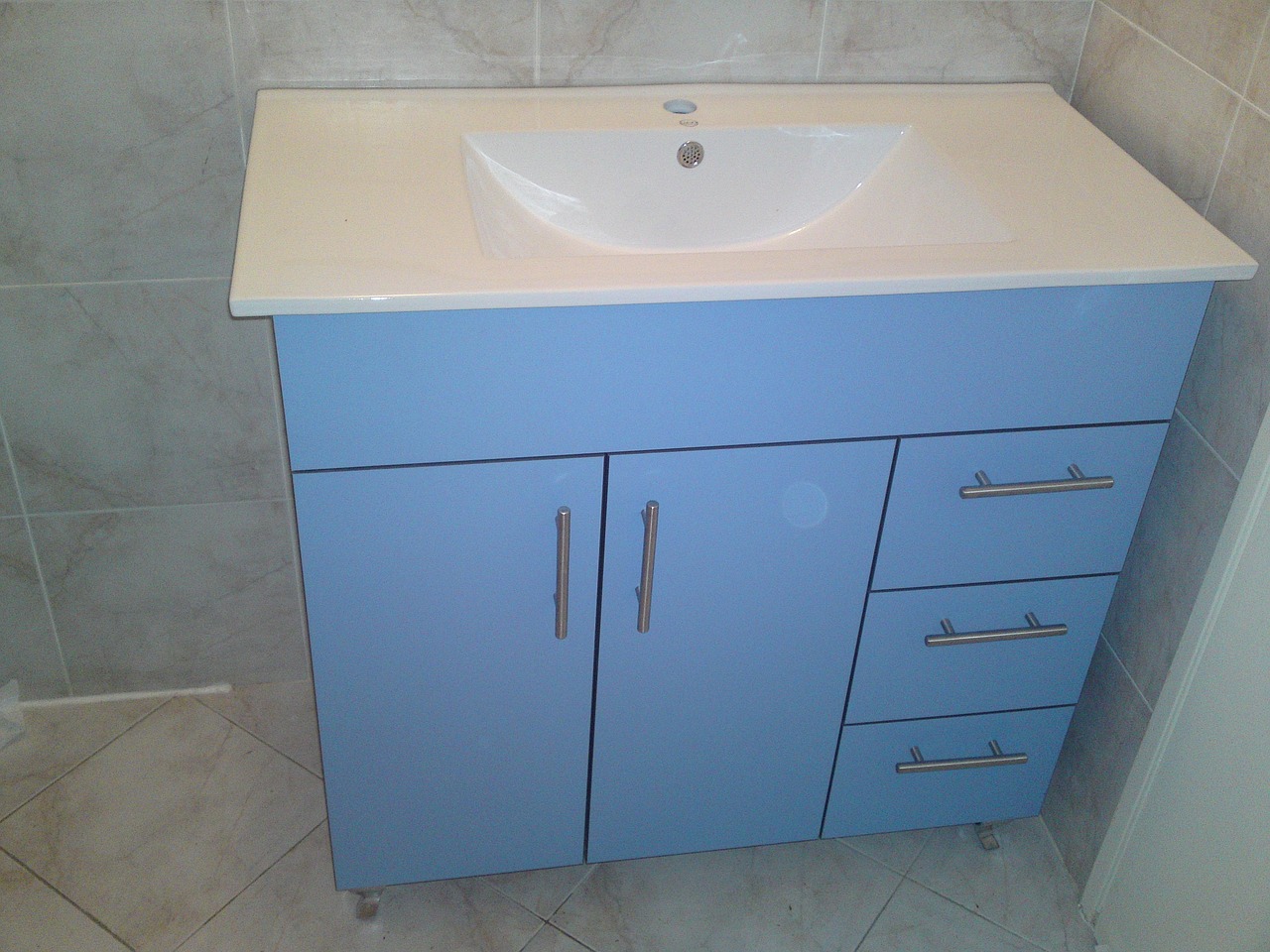
The edge of a countertop is the part a hand touches a hundred times a day, and it is chosen in about a minute at the end of a showroom visit. In a Temecula, CA kitchen that is being re-topped, the edge profile decides how the counter handles elbows, kids, dish towels and a daily wipe-down for the next twenty years. It also decides how much extra work the fabricator does at the polishing station and how the sealer lays down on natural stone.
This post walks through the common profiles, what each one is like to live with, and where each one tends to cause trouble on a replacement job in an existing kitchen.
What does an edge profile actually change?
A profile changes four things: how sharp the corner is, how much of the slab thickness shows, how the edge catches light, and how easily crumbs and water travel off the front. It does not change how strong the top is. A slab with a square edge and a slab with a full bullnose carry the same load across the same cabinet, provided the cabinet is level and the overhang is supported.
The profile does change how a chip happens. A sharp corner takes a hit from a pot and loses a small flake, while a rounded corner spreads the same hit so the damage rarely shows.
How do the common profiles compare?
The table below sets the usual choices side by side for a kitchen counter in regular daily use. It describes behavior, not looks.
| Profile | Corner | Chip resistance | Cleaning | Notes for a replacement top |
|---|---|---|---|---|
| Square | Sharp, with a tiny softened arris | Lowest | Easy, one flat plane | Matches modern slab cabinets, shows every wall and cabinet gap |
| Eased edge | Slightly rounded | Good | Easy | The usual fabricator default, fast to polish |
| Half bullnose | Rounded on the top, flat below | Good | Easy | Hides a thin slab, forgiving on older boxes |
| Full bullnose | Fully rounded | Very good | Easy, gentle on forearms | Takes more stone off the front, so it needs a thicker slab |
| Ogee or cove | Stepped curve | Moderate | Harder, grooves collect residue | Needs careful sealing in every groove |
| Mitered or waterfall | Two pieces joined at a corner | Depends on the miter | Easy | Needs seam placement planned and a level run |
Which profile suits a replacement over old cabinets?
Older cabinet boxes are rarely perfect. Face frames lean a little, the toe kick may have settled, and the drawer fronts sit a hair out of line. A very crisp square profile points all of that out. The straight edge of the stone sits next to a face frame that wanders, and the eye reads every gap.
A half bullnose or an eased edge is more forgiving. The light rolls off the curve instead of drawing a line, so a quarter inch of drift along the front is far less visible. That is why a lot of replacement tops in older Riverside County tract homes go with a soft profile even when the new owner pictures something sharper. The installer is not being timid. The cabinets are the limit.
A thin slab changes the picture too. Many quartz and porcelain slabs come in a thinner format than the thick granite that was common in earlier decades. A fabricator can build up the front with a second strip, called a laminated or built-up edge, to give the look of a thicker top. That adds a glued joint along the front, and the joint needs a good color match, which is part of why some owners choose a thicker slab and a simple profile.
Does the stone type limit the choice?
Yes, a few ways. Marble and soapstone are softer than granite, so a deep decorative profile wears down faster at the high points. A full bullnose in marble ends up with a dull front edge long before the flat surface looks old. Quartzite and granite hold a detailed profile well, but the polishing takes longer, and the more complex the curve, the more passes the fabricator makes.
Porcelain slab is the most limited. The surface pattern is a printed layer sitting on a uniform body, so a rounded edge cuts into the body and shows a different color or texture than the face. Fabricators handle that with a mitered edge, where two pieces are cut at forty-five degrees and joined so the pattern wraps the corner. That is a good solution, and it is also the one that most needs a level cabinet run, because a miter shows any tilt as a hairline gap.
What about the outdoor counter?
An outdoor kitchen on a patio near the Temecula Valley wine country adds two issues. Water sits on a flat outdoor top and runs off the front, so a profile that sheds water cleanly makes life easier. A deep ogee holds water in its groove and leaves a mark when it dries in the afternoon sun. An eased edge or a half bullnose keeps the front simple, and a mild slope in the deck sends water to one side.
The second issue is heat. A dark stone with a rounded profile soaks up the afternoon sun, and the front edge is the part that people lean on. A lighter slab or a porcelain top is easier on the forearms in summer. A profile with a larger radius also feels better under a bare arm than a sharp corner that has been baked all afternoon.
How does the profile affect sealing?
Sealer on granite, marble and quartzite goes on every face, including the edge. A square corner is where the coat thins, because liquid pulls away from the sharp point as it dries. A rounded profile keeps the coat more even. Deep profiles with grooves need a brush or a cloth worked into each curve, otherwise the groove is left thin and stains first.
The water-drop test works on the edge too. A few drops on the front of the top, left for ten minutes, show whether the sealer is still holding there. The edge is the part that gets wiped most and handled most, so it is usually the first place to run out of sealer. Hard water in the Inland Empire leaves white scale on a dark edge, and the scale shows against a polished curve more than against a flat plane, so a quick wipe after splashes keeps it from building up.
How is the profile cut, and what can go wrong?
At the shop, the slab is cut to size and the edge is shaped by a CNC router or a hand router with diamond wheels. Each wheel takes the edge a step closer to the final shape, and a fine polishing wheel finishes it. A profile that was not on the order form cannot be added on site, so the choice has to be made before the slab is cut.
Things that go wrong are fairly predictable:
- A profile chosen from a sample board that was a different thickness than the slab, which changes the look of the curve.
- A built-up edge where the laminated strip does not match the pattern of the face.
- A sink cutout too close to the front edge, so that the profile leaves a thin strip that cracks.
- A miter at a corner where the cabinet run was never leveled, leaving a visible line.
- A deep profile on a soft stone, which wears smooth at the high points in a few years.
Most of these are caught at the template visit if the installer checks the actual slab, not a catalog picture. A dry-fit of the profile on a scrap piece of the same slab settles most arguments.
Which profile is easiest to live with for most households?
For a family kitchen in an existing house, the safe answer is an eased edge or a half bullnose. Both are easy to clean, both resist chips, and both look right against the cabinets that are already in place. A crisp square edge belongs in a kitchen where the cabinets are new and plumb. A decorative ogee belongs in a room where the rest of the trim carries the same curves.
A good installer will bring a sample of each profile cut in the same stone, since a picture in a brochure does not show how light behaves on the real slab. Holding a sample up against the actual cabinet front, in the actual kitchen light, answers more than any chart does.
The edge is a small decision with a long life, and it should be settled before the slab is cut. A level base and a sample held against the real cabinets will settle it better than a showroom visit.