Sealer and seam epoxy choices after a countertop install
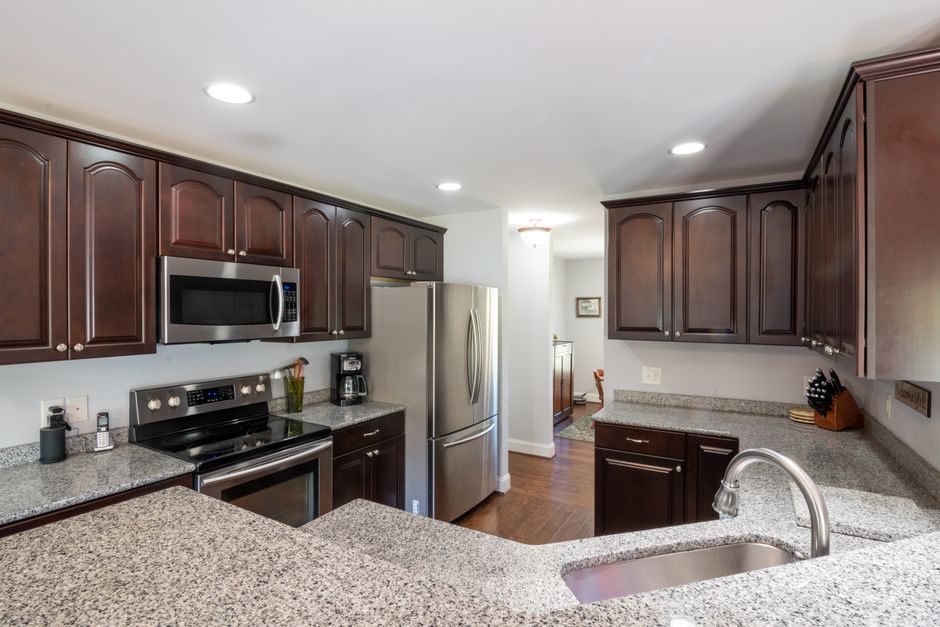
Most people assume sealer is a one-time job done at the factory, and the notes on temecula countertop installers sky high picture show list it as the first thing that gets skipped. A new countertop in Temecula, CA leaves the shop with a seam that needs matched epoxy and a face that may need sealer, and both depend on the stone. Quartz and porcelain need neither on the surface, while granite, marble and quartzite do.
When sealer goes on

Sealer is applied after the top is set and the seams are cured, not before. The surface is cleaned with a neutral cleaner, dried, and the sealer is wiped on in an even coat and left to soak. Excess is wiped off before it dries. Cutout edges, the underside of the sink opening and any cut face get a coat too, since raw edges soak up water first.
The water-drop test
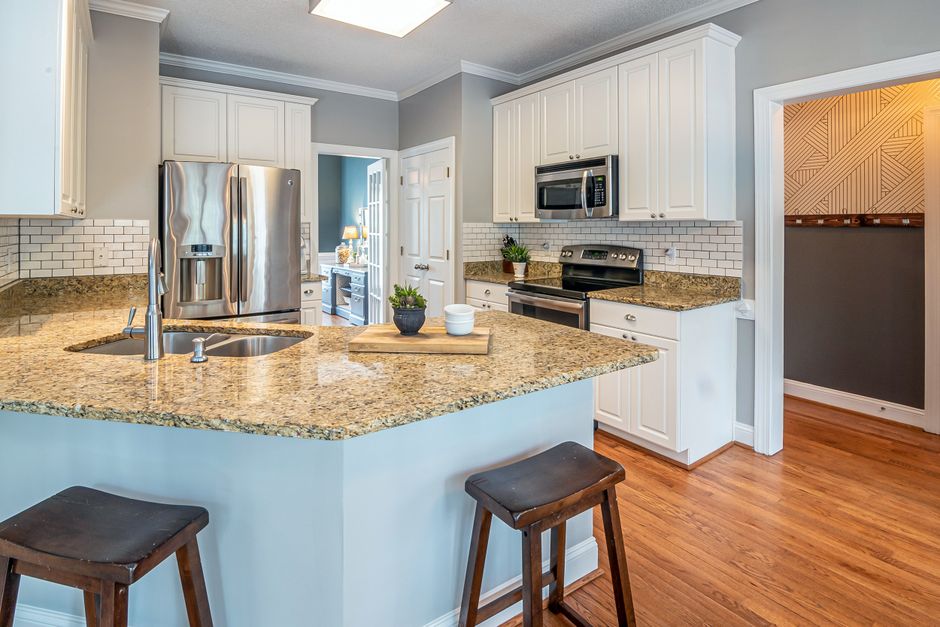
A few drops of water on the surface and a ten minute wait tells most of the story. If the drops bead, the sealer is working. If the stone darkens under the drop, it needs another coat. Marble and soapstone behave differently from granite, since marble etches under acid regardless of sealer, and soapstone is dense and usually treated with oil, not a penetrating sealer.
Colour-matching seam epoxy
A seam is filled with a polyester or epoxy resin tinted to the stone, with the pigment adjusted on a scrap piece until it disappears into the veining. The two slabs are pulled tight with suction cups and a clamp, the resin is set slightly proud, and a blade scrapes it flush once it gels. Seam placement is chosen so the joint falls in a line that follows the pattern, away from the sink cutout, and over a firm support.
Cure time
Seam epoxy gels in a short time and reaches full hardness later, so the top should not be loaded in the first day. Sealer needs its own cure window before water and cleaners hit it, and a kitchen used the same evening can spoil the finish. Heavy pots and wet sponges stay off the seam until it is fully cured.
Edge profile and sealing
A square edge has sharp corners where sealer thins, while an eased edge or a bullnose holds a more even coat. A waterfall edge runs the same slab down the side of the cabinet and needs sealing on its vertical face too.
Resealing in a dry climate with hard water
Inland Empire water carries a lot of dissolved minerals, and white scale shows on a dark top when a splash dries. That scale is not a sealer failure, it is a deposit that a soft cloth and a mild cleaner lift. Resealing is judged by the water-drop test every season or so, not by a calendar, since a dry kitchen sees less staining than a patio near wine country that sits in direct sun.