How heat and UV wear on an outdoor countertop in the Temecula sun
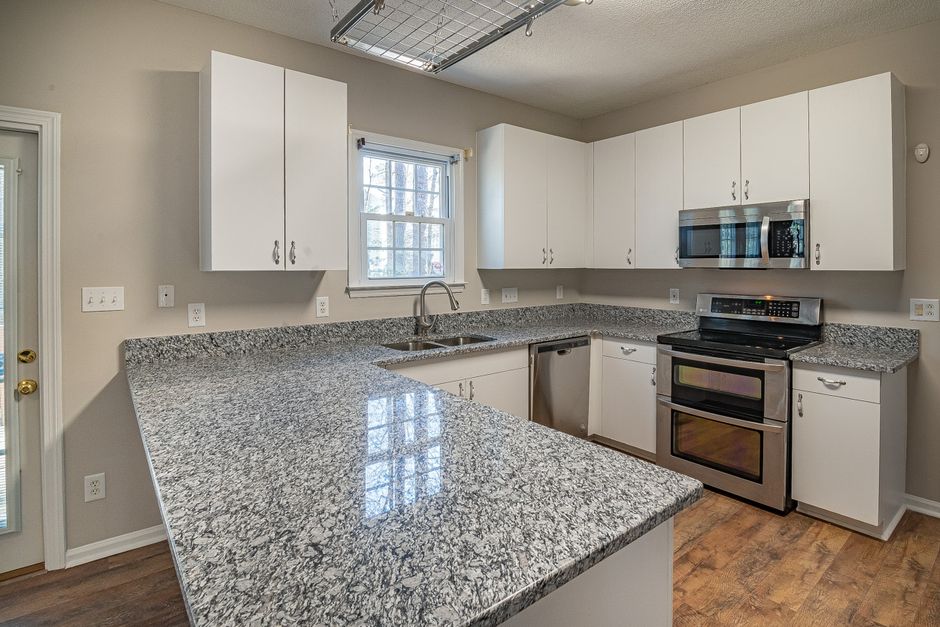
The tacky feel under a hand on a patio counter at four in the afternoon is usually a sealer that has given up, not a dirty surface. Every outdoor teardown temecula countertop installers sky high picture show has logged shows the same thing: sun does its damage slowly, on the thin layers laid over the stone. A countertop in Temecula, CA that gets afternoon sun from May to October ages faster than the same slab in a covered kitchen.
Surface heat in direct sun
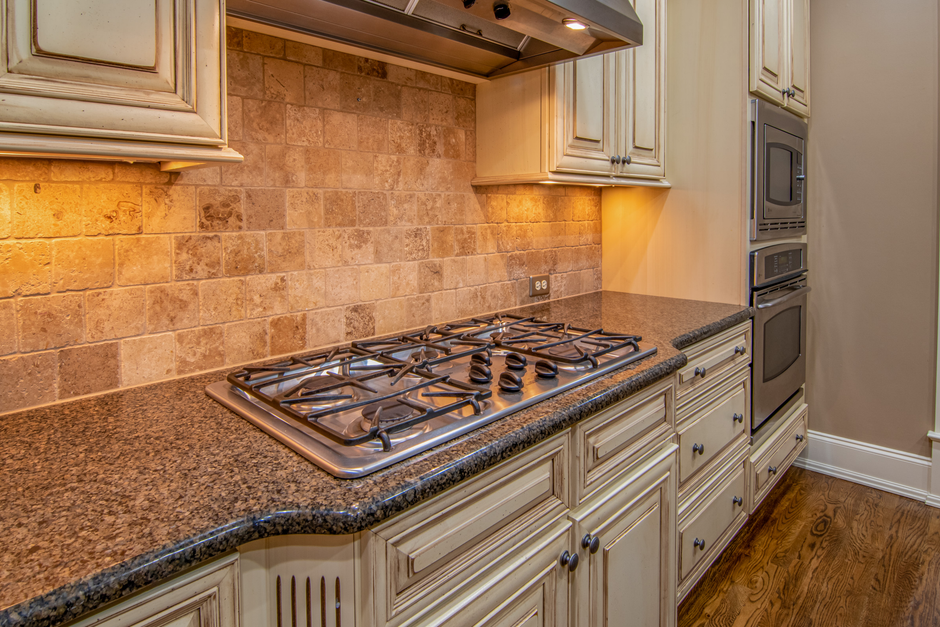
A dark granite or soapstone top absorbs heat all afternoon, and by evening it holds that heat long after the air cools. A pale quartzite or a light porcelain slab stays cooler to the touch. The colour choice matters more than the brand, and a sample left on the patio table for an afternoon tells the truth better than a showroom light. Pots, trivets and a hot grill lid sitting directly on stone add another load.
Sealer breaks down first
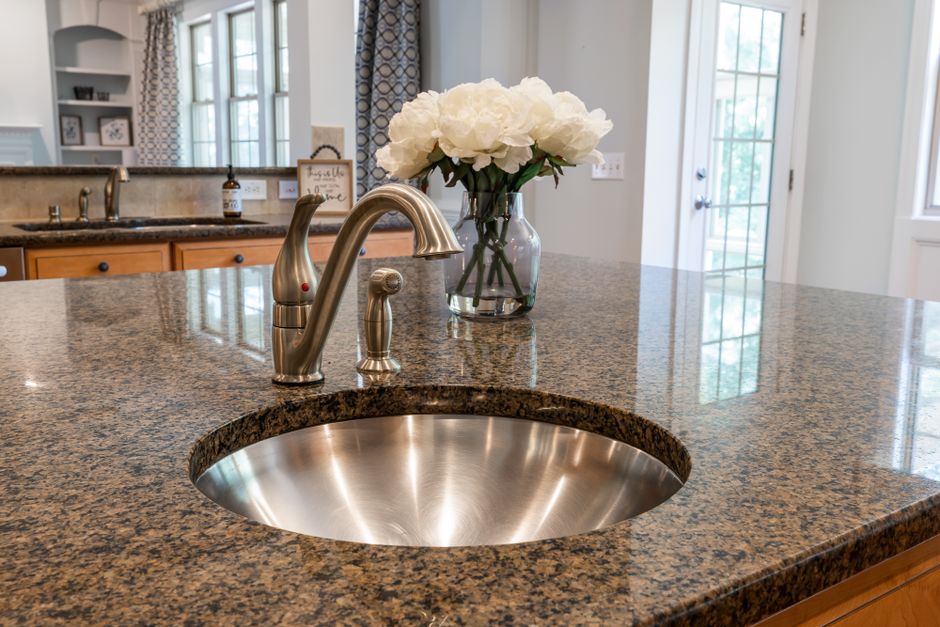
Penetrating sealer in granite, marble and quartzite lasts a shorter time in direct UV than indoors, and a patio top may need a fresh coat sooner. The water-drop test is simple: a few drops left for ten minutes, and if the stone darkens, the sealer has worn through. Wine, citrus and oil from outdoor cooking stain a thirsty stone fast, and Temecula Valley wine country hosts know the look of a red ring on a pale top.
Seam epoxy and sun
A seam in an outdoor slab is glued with colour-matched epoxy, and some epoxies yellow in sun over the years. The seam placement matters outside more than inside, because a joint along the sun side of the top is the one people see. Installers keep seams narrow, run them away from the sink cutout, and match the resin to the stone's lightest tone so a slight yellowing blends in.
Thermal movement
Stone and porcelain expand when hot and shrink when cool, and the swing between a warm afternoon and a cold desert night in the Inland Empire can move a long run by a visible fraction. A slab glued rigidly to a frame against a wall has nowhere to go. A small gap at the wall, filled with flexible sealant, and a deck that allows slight slip let the top move without cracking at the corners.
Why porcelain handles sun differently
Porcelain slab is fired, so it does not carry the resins that quartz does, and the colour is part of the body, not a coating. It does not need a penetrating sealer, which removes the failing layer altogether. Natural stone is more varied and can look better with age, but it asks for sealer on a schedule and for a shaded spot where it can. Which one suits a patio depends on how the family uses it and how much shade the roof gives.